

“You could live either another twenty minutes or another twenty years. We just don’t know,” stated the neurologist in a matter of fact tone to Donald Cameron about two years ago in a Vermont exam room. He sat in the office alone trying to absorb what he had just heard while his two daughters and then-wife of 30 years participated in the conversation via Zoom. Donald had just been diagnosed with cerebral amyloid angiopathy (CAA) which causes bleeding in the brain. CAA is increasingly recognized as a major contributor of Alzheimer’s disease pathogenesis. He shares that he doesn’t feel anything when they occur; however, he is losing his sense of balance and feels cold all of the time, as that’s the part of the brain where the strokes are occurring. “Initially they thought I had Parkinson’s disease after watching me walk,” adds Donald. “But a brain scan, followed by cognitive tests and sending the MRI to a second neurologist for review confirmed everything.” Donald receives MRIs at least yearly to determine the progression of the condition. According to his latest scan done in February 2023, he’s experienced 12 hemorrhagic strokes.
“Seek the truth. Come whence it may; cost what it will.”
words are inscribed on the tombstone of Rev. William Sparrow (Mar. 12, 1801-Jan. 17, 1874) located in the cemetery at the Virginia Theological Seminary.
When Donald became aware of his diagnosis and the fact his condition would likely lead to Alzheimer’s or another form of dementia, he did an abundance of research and studied the treatments and the medications. Being a statistician and a mathematician enables him to perhaps delve deeper into the research aspect of the disease than many.
At 68 years old (at the time of his diagnosis), healthy, active and with no family history (four or five generations back) of brain disease, many may wonder how did Donald develop CAA? He knows it cannot be proven, but Donald has questioned whether his current condition could be somehow related to the bacterial meningitis he experienced 15 years ago. He admits he remembers very little during his sickest moments other than the priest delivering his last rites. He also spent four months out of work. Subsequently, but unrelated to the meningitis, developed dozens of blood clots in his lungs 10 years ago. The doctors performed all types of testing and do not know why other than he cheated death again.
A life dedicated to education
Donald spent his career as an educator. He taught mathematics and science for 45 years, most of them at the Brooks School in North Andover Massachusetts. Additionally Donald was head of the math department, coached the squash, track and field, and the cross country teams. He ran the summer day camp, and in his spare time, Donald conducted a number of conferences and workshops in the New England area. As he phrased it best, “I enjoyed bringing mathematics into the 21st century as opposed to the 1950’s as well explaining how to use a computer in a different way from most.” Donald, in fact, used his stipends from an Endowed Faculty Chair for Excellence in Teaching to purchase the software for his students, to serve more as a discovery tool for them.
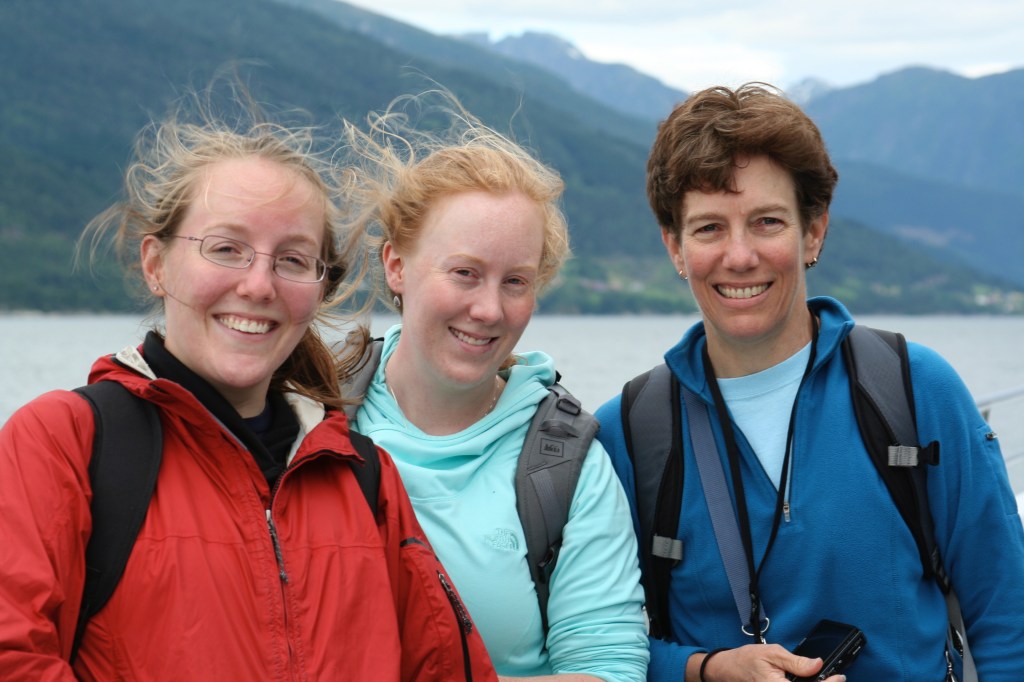
Donald’s oldest daughter, Amy, is currently living in Boston and studying to become a biomechanical engineer. Nina, the youngest, is taking graduate courses in higher education at the University of Rochester, as well as teaching the undergraduate courses for aspiring educators. Donald readily admits that his family is full of very bright, intellectual children, but that most of the credit is awarded to their mother. She was a third-generation Harvard graduate. He shares that not only was she a great teacher herself, but did a great job being their mother.
A new chapter and new home
Donald left the Brooks School in 2014 and semi-retired. He soon began conversations with Davidson Day School as they sought him out to help them in enhancing their mathematics curriculum as well as improve their level of mathematics instruction. It was during his time teaching at Davidson that he and his wife made the decision to divorce. They had built a vacation home in Vermont 30 years prior where they had planned to retire together. Instead, Donald retired officially from Davidson Day and moved to the Vermont vacation home full time. His daughters were very concerned about him as its location was extremely isolated, there was no cell phone service and internet service and it was located on 25 plus acres.
The Vermont home did become too much for Donald to manage on his own. His youngest daughter, Nina, and her husband currently live in Rochester, New York, but they have plans to move closer to her husband’s family who reside in North Carolina. They are expecting their first child, Donald’s first grandchild, heightening the desire for shorter proximity.
So with that, last year Donald and Nina took a tour of western North Carolina to consider a new location for him to call home. He shares that Brevard was his favorite area, but unfortunately there was not anything available that would be suitable for Donald’s lifestyle. Asheville ranked a close second, namely the Pisgah Valley Senior Retirement Community. Donald shared that the environment reminded him of Vermont and luckily a space opened up for him about a month ago. He lives in a house and is looking forward to planting bulbs in his yard when the weather is cooler.
Healthy living for the body and brain
“I’ve met so many nice people in the new community,” Donald adds, “I’ve really enjoyed taking yoga at the activity center, as well as keeping active at the fitness center.” Being a lifelong athlete – both as a cross country runner and a road racer – Donald understands the importance of maintaining a healthy and active lifestyle despite the newer health journey with which he’s now facing. Physical activity is a valuable part of any overall body wellness plan and is associated with a lower risk of cognitive decline.
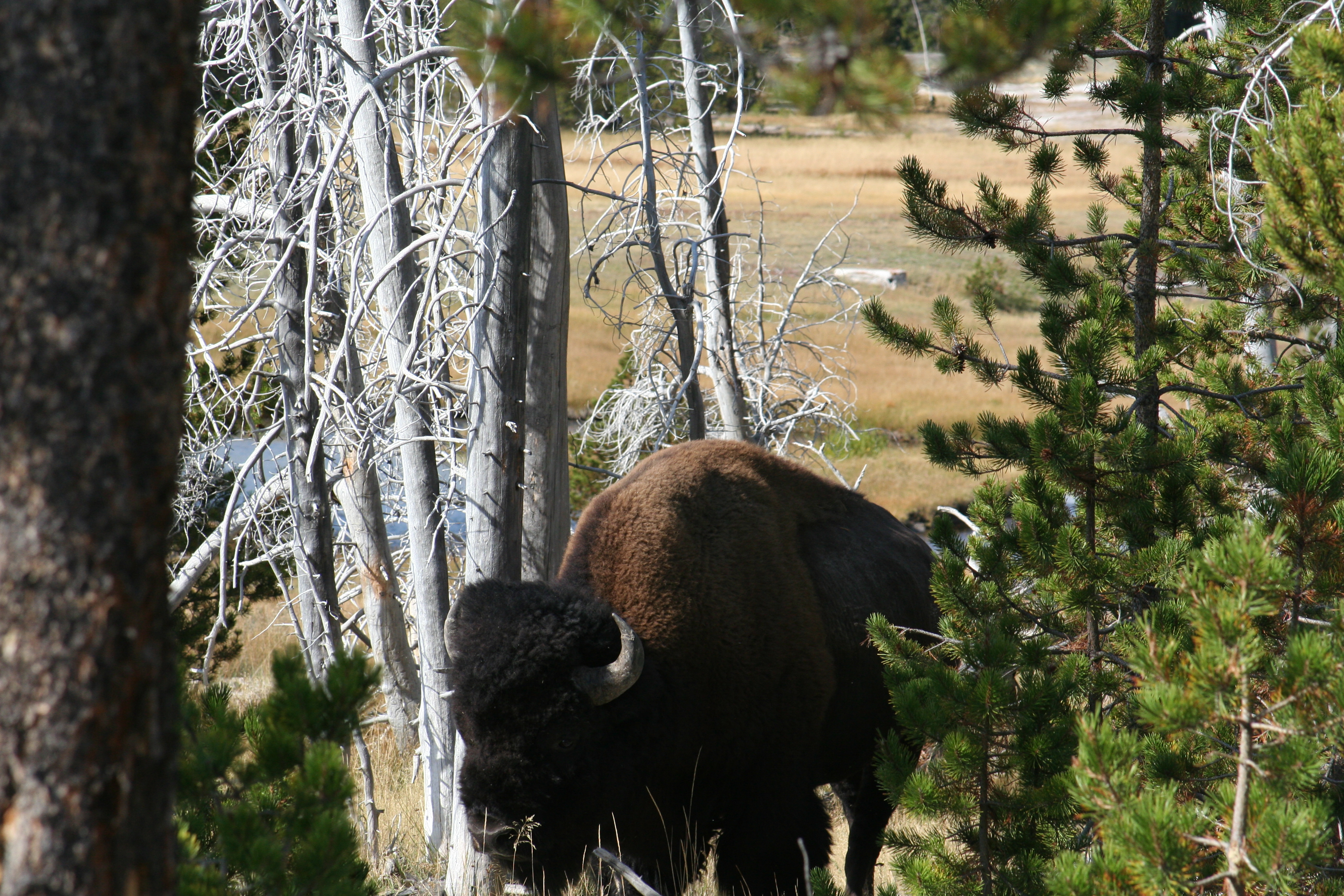
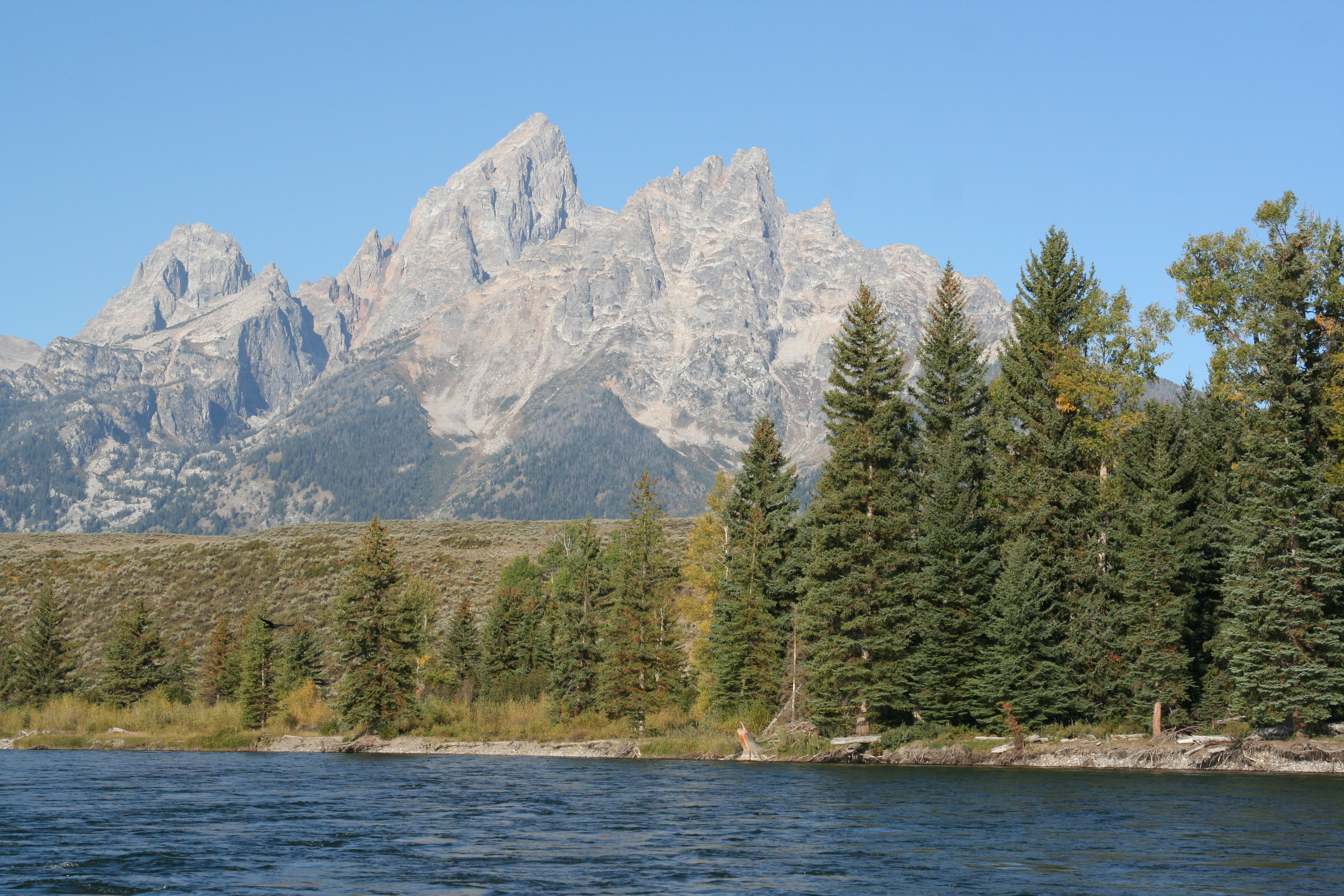
Donald has run over 90,000 miles in his lifetime. That’s close to running around the globe four times. While he was nationally ranked in his age group for years, he admits that he never ran to compete against others, but more so to compete against himself. After being diagnosed with CAA coupled with the divorce, Donald offers that he was down and bummed over life – for about five days. He was able to dig down deep as he was adamant that he was not going to end up like others just waiting to let the angels take them away. Being a member of the National Geographic Club, he inquired about a 10-day expedition to Yellowstone, the Grand Tetons and the Snake River and off he went. “I decided right then and there that I was going to live my life the way I wanted to as long as I could.” His commitment was to do the trip every two years, but he is being sidelined this year due to a foot injury and shoulder surgery.
Investing in a new community
When moving to the Asheville area last year, Donald wanted to volunteer and get involved with the community. He joined the Asheville Rotary as well as a wildlife rescue group. His involvement with the Rotary is how he discovered there was a Walk to End Alzheimer’s – Asheville. Being the overachiever that he is, Donald organized the Asheville Rotary Club Walk team as its captain and made a $1000 goal and additionally joined the Pisgah Retirement Community Walk Team. They are having a bake sale soon and the Wellness Center manager is their team captain. The Walk on October 14 will be his first time participating, and it’s rightly personal to him. Donald’s passion as a researcher has enabled him to learn a multitude of care and support that the Alzheimer’s Association provides – not only for himself, but he’s able to effectively share it with his closest friends who have loved ones who are living with disease. “Being able to help others is very rewarding to me,” adds Donald. He, in fact, made the decision to forgo his role with Rotary and the wildlife rescue such that he can focus most of his volunteer time on the Alzheimer’s Association and its Asheville Walk Committee. Even though his shoulder surgery is scheduled soon before the walk, Donald is enthusiastically being there to participate.
“I have learned that the head does not hear anything until the heart has listened, and what the heart knows today, the head will understand tomorrow.”
James Stephens
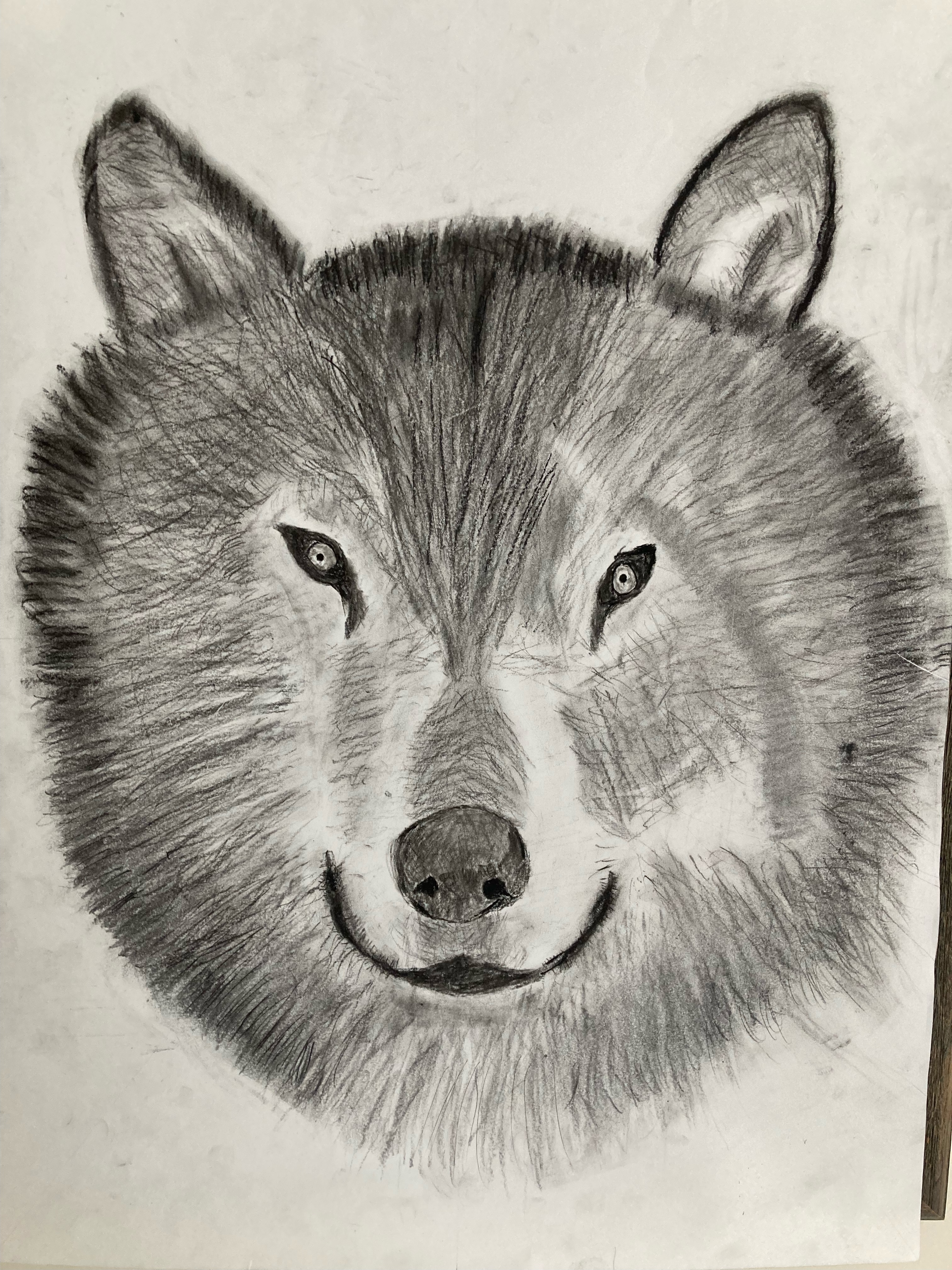
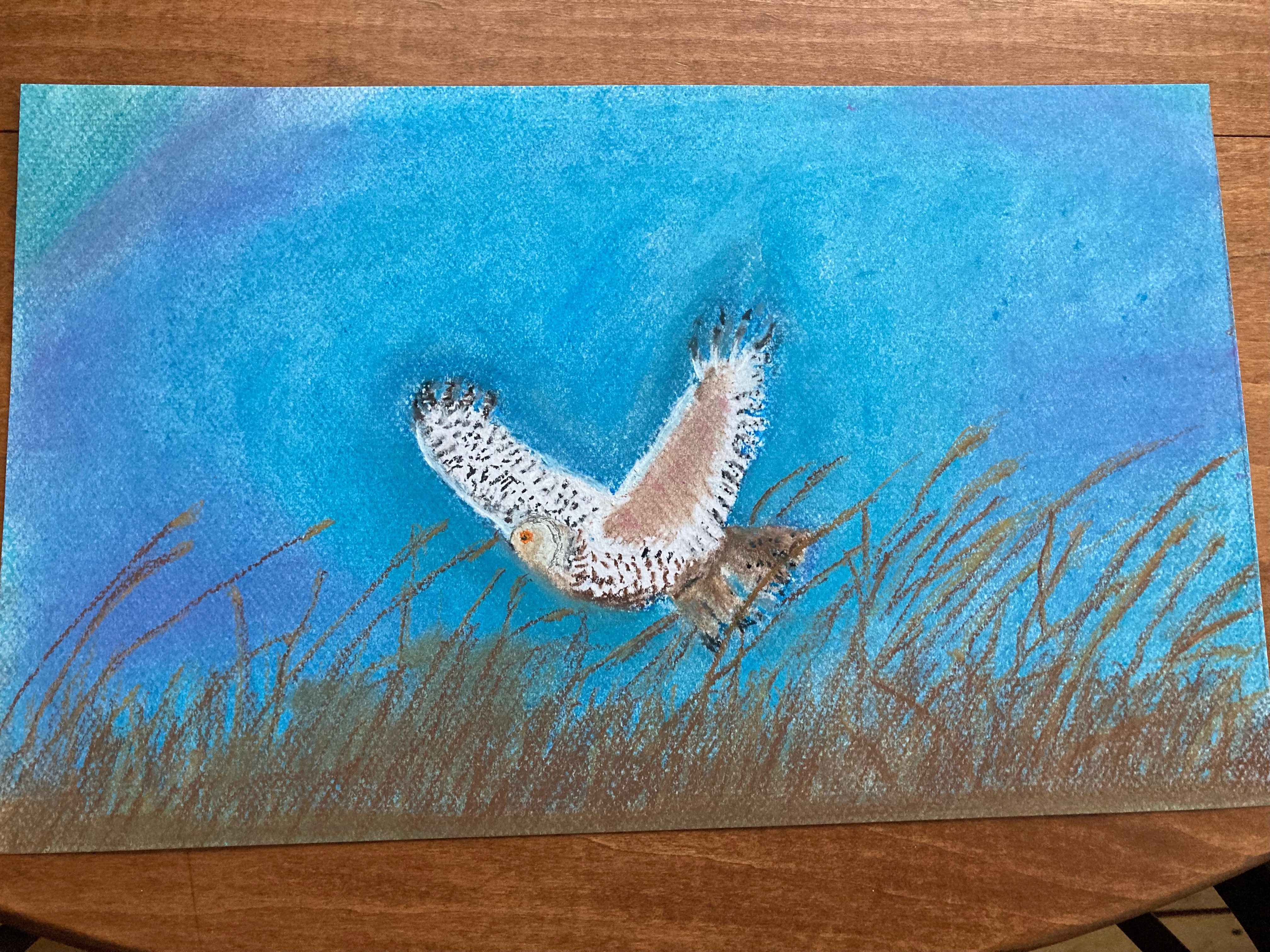
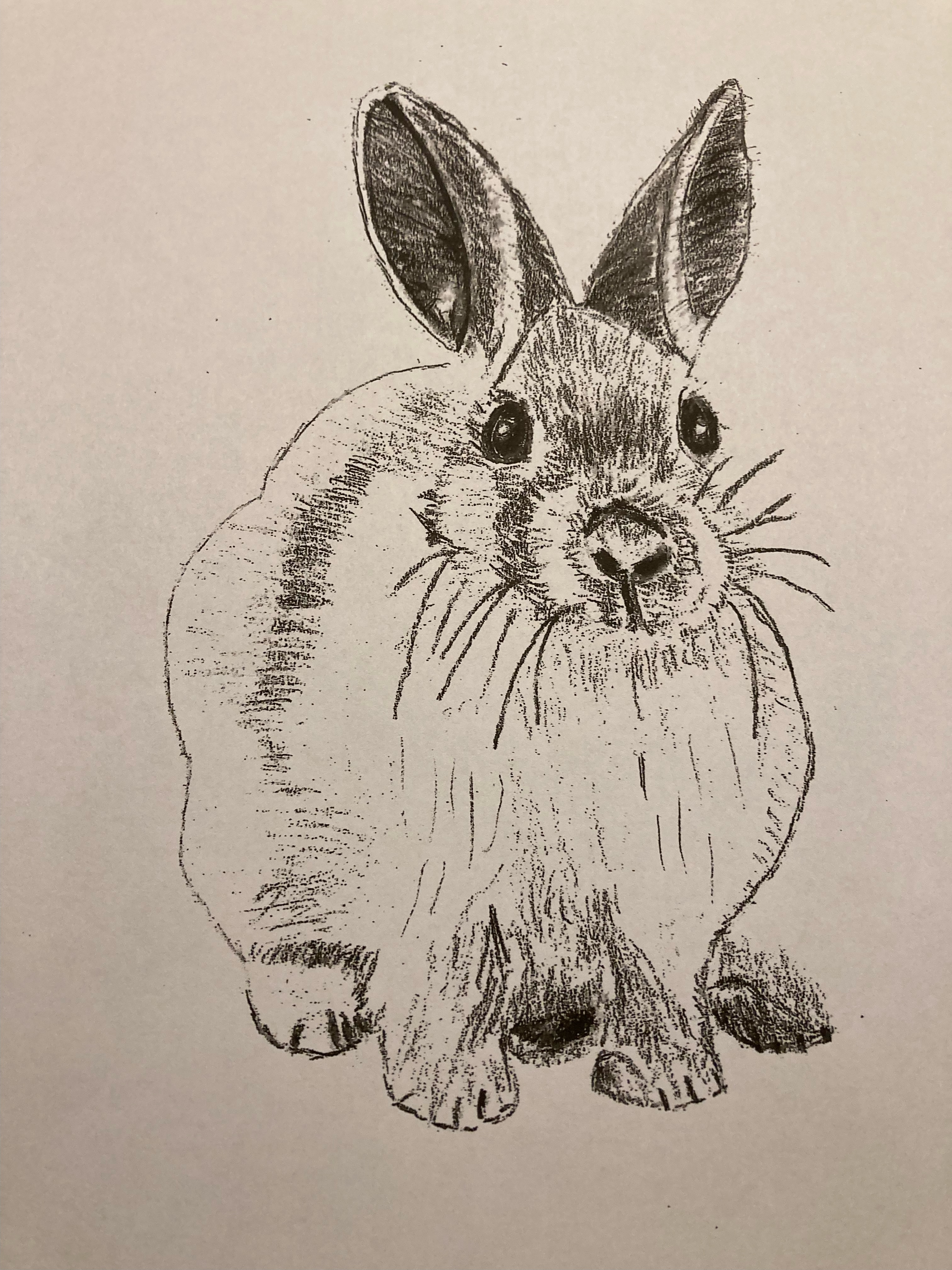
Donald admits that he’s finally realized how important it is to keep things in life in moderation – perhaps by his definition. He shares that he made a commitment to himself upon retiring that he would teach himself the following: learn how to play the Native American Flute; learn how to draw wildlife; and improve his expedition photography skills.
Many of Donald’s students and the parents of past pupils have encouraged him to write a book based on the person he’s become and the five tenets that have thus far guided him through life.
- Be honest.
- Be respectful of and kind to others.
- Do good work.
- Take care of your health.
- Share your life so that others may heal, smile or laugh.
In closing Donald chuckled, “It’s been an uplifting experience for me to share my story, and upon leaving the neurologist’s office that day, I said ‘I’m betting on living another twenty years versus the twenty minutes.’”



LIKE DONALD, WE ALL HAVE A REASON TO FIGHT FOR A WORLD WITHOUT ALZHEIMER’S DISEASE. Join your local Walk to End Alzheimer’s today as an individual, team, or sponsor.
The Alzheimer’s Association hosts 17 walks across North Carolina. The Alzheimer’s Association Walk to End Alzheimer’s is the world’s largest event to raise awareness and funds for Alzheimer’s care, support and research. Since 1989, the Alzheimer’s Association® mobilized millions of Americans in the Alzheimer’s Association Memory Walk®; now the Alzheimer’s Association is continuing to lead the way with Walk to End Alzheimer’s. Together, we can end Alzheimer’s.
| Alamance County | 9/30/2023 |
| Asheville | 10/14/2023 |
| Charlotte | 10/21/2023 |
| Fayetteville | 10/28/2023 |
| Gaston/Cleveland/Lincoln | 10/14/2023 |
| Guilford County | 10/7/2023 |
| Henderson County | 9/30/2023 |
| Iredell County | 9/23/2023 |
| Jacksonville | 10/14/2023 |
| Moore County | 9/30/2023 |
| Mount Airy | 9/9/2023 |
| New Bern | 10/21/2023 |
| Rowan-Cabarrus | 10/28/2023 |
| Unifour (formerly Hickory) | 10/28/2023 |
| Triangle (Raleigh-Durham) | 10/7/2023 |
| Wilmington | 11/4/2023 |
| Winston-Salem | 11/4/2023 |
 Alzheimer's Association North Carolina Blog